Managed Grazing for Wildfire Fuel Reduction & Land Stewardship
Southern California land managers face growing wildfire risk and the degradation of endangered species habitat as invasive annual grasses and accumulated fuels spread across large, complex landscapes. Wildland Range Solutions uses cattle and adaptive grazing management to reduce wildfire fuels, manage vegetation, support habitat objectives, improve soil and watershed health and deliver practical, scalable land stewardship across Southern California.
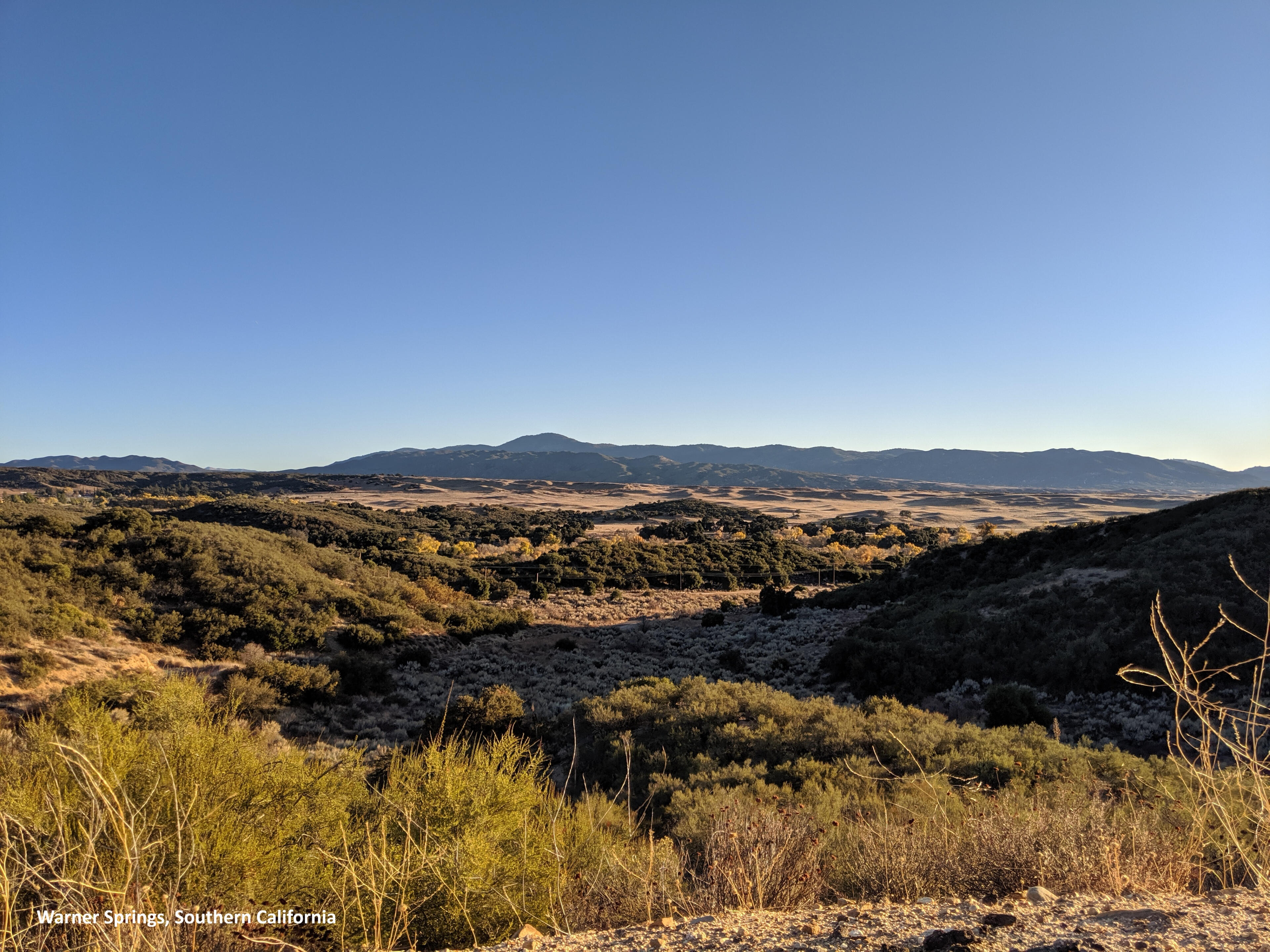
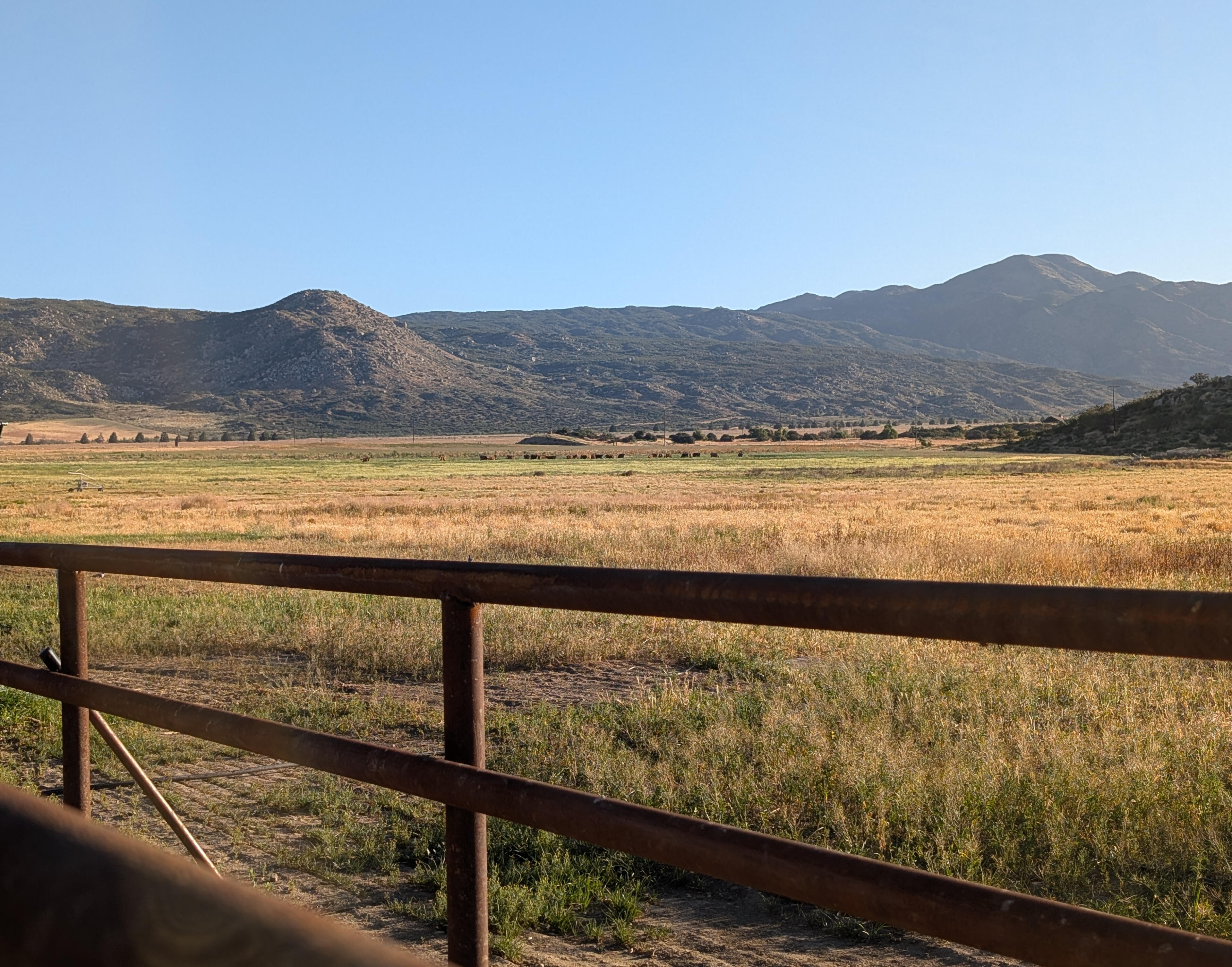
Southern California Rangelands - Warner Springs
Our Purpose
Livestock as a Tool for Safer, Healthier Landscapes
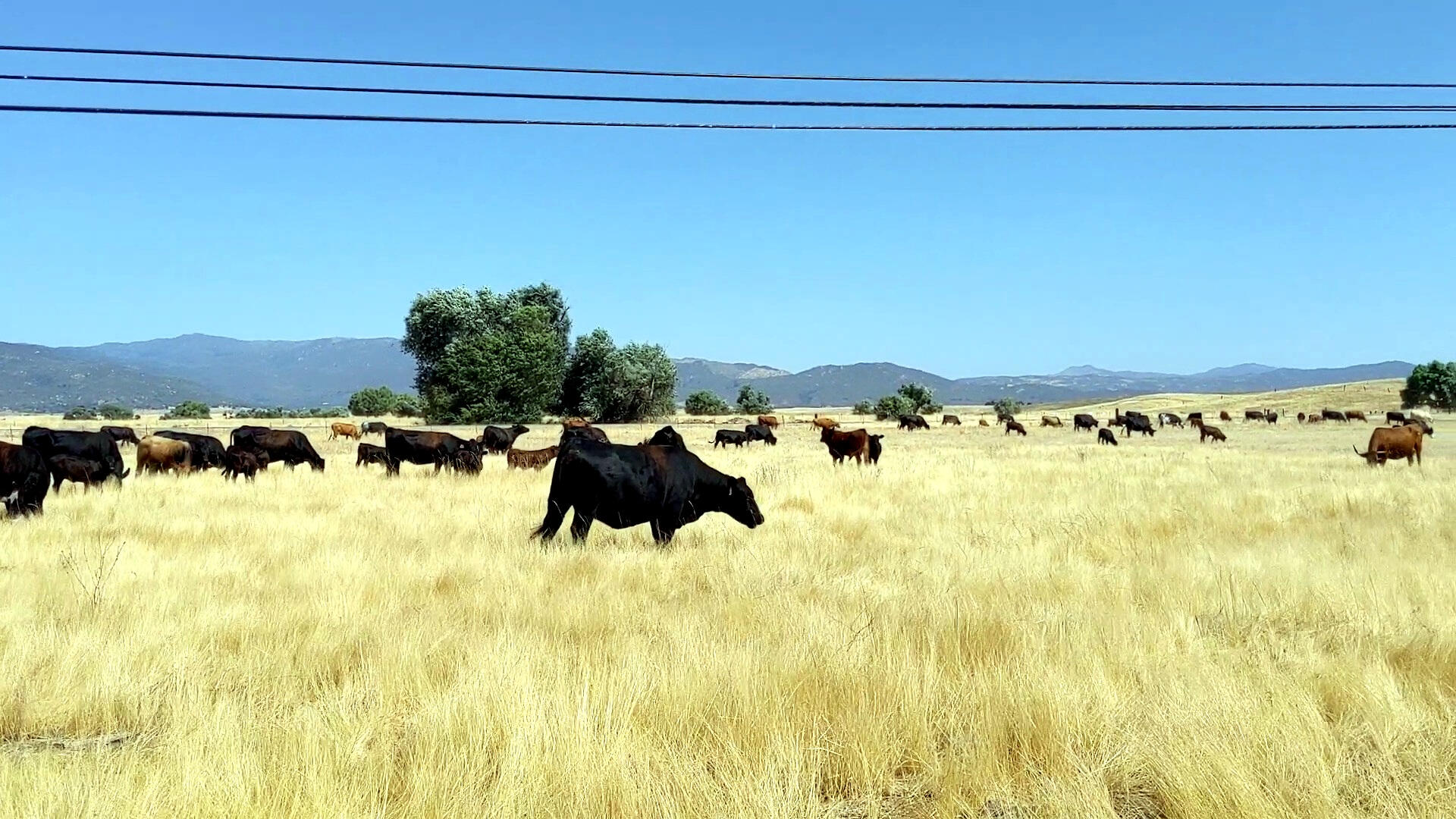
Wildland Range Solutions was built around a simple idea: properly managed livestock can be used as a practical land management tool.Through targeted grazing, cattle can reduce fine fuels, open up brushy areas, recycle nutrients, improve soil health and the functioning of ecosystem processes while helping land managers address vegetation challenges across large and complex landscapes.Our goal is to provide grazing services that reduce wildfire risk, support ecological function, and fit the real-world needs of agencies, tribes, military installations, conservation organizations, and private landowners.
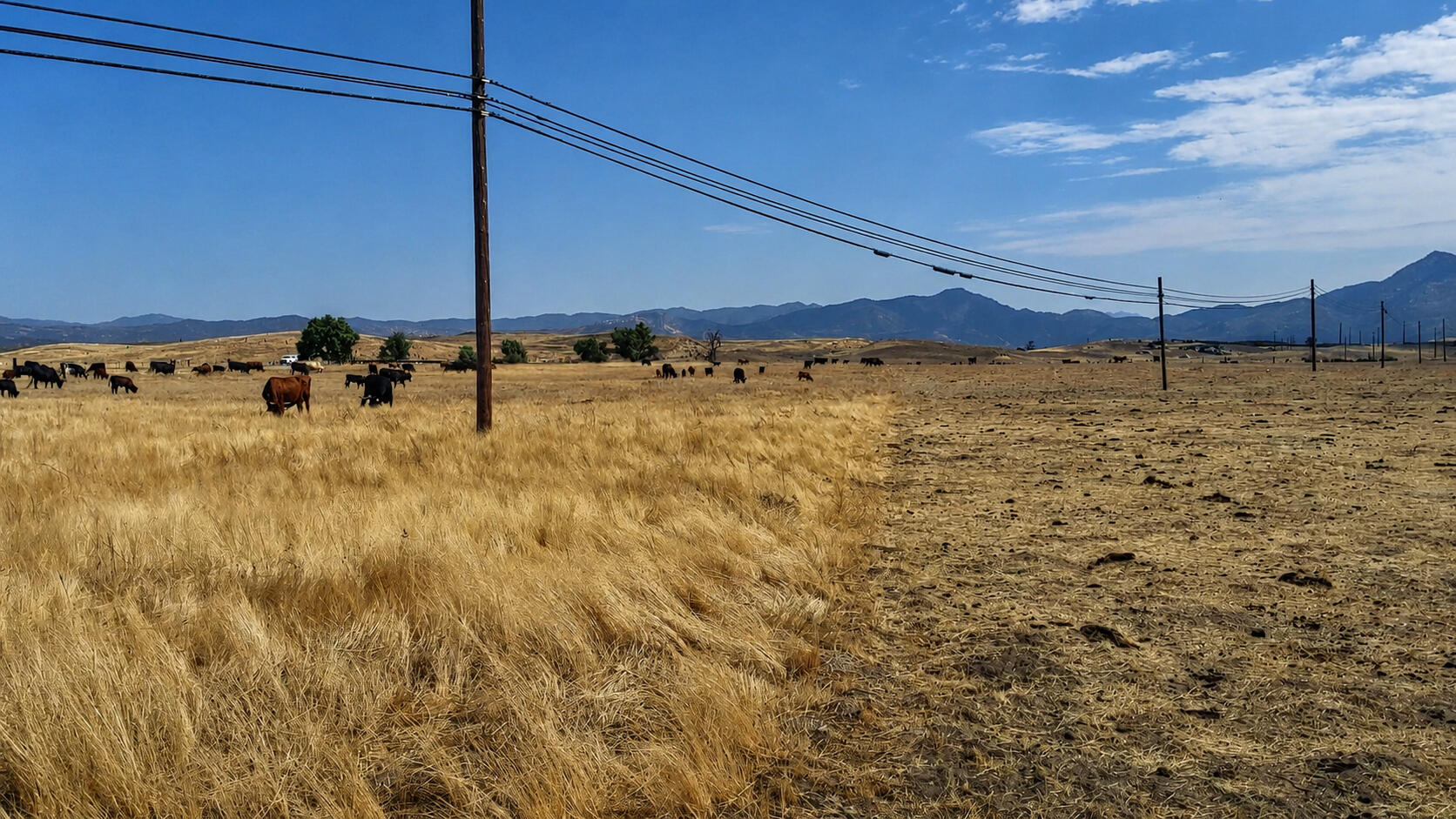
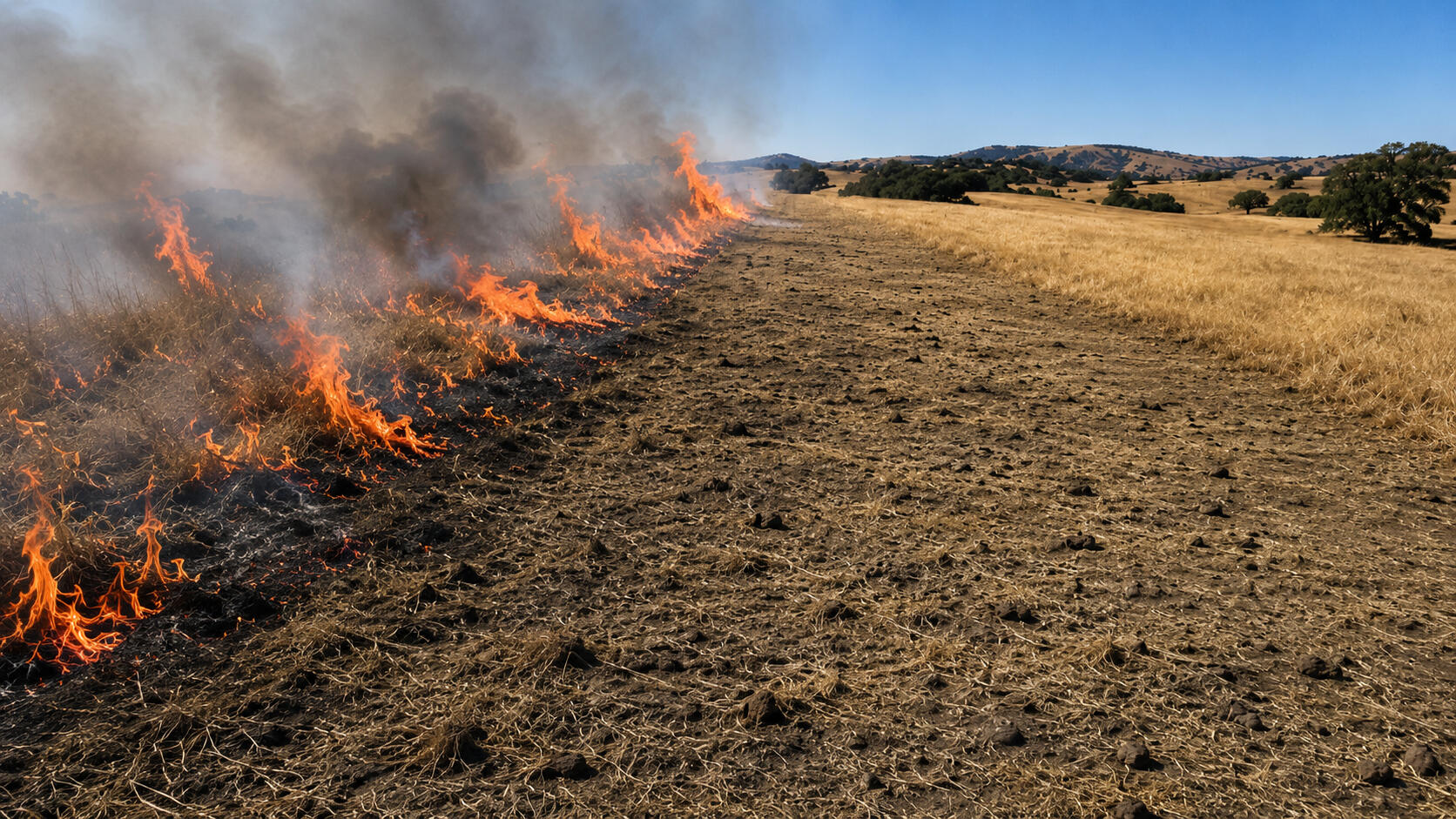
Grazed Fuel Break
Services
What We Do
Wildfire Fuel ReductionWe use managed grazing to reduce grass, weeds, brush pressure, and other vegetation that can contribute to wildfire intensity and spread.Strategic Fuel BreaksWe can help create and maintain grazed fuel breaks along roads, highways, fence lines, infrastructure, property boundaries, and other priority areas.Habitat & Vegetation ManagementGrazing can be planned around ecological objectives, including invasive species pressure, native plant recovery, seasonal timing, and protection of sensitive areas.Large-Landscape Grazing ProgramsFor larger properties, we can help develop recurring grazing programs that become part of a long-term vegetation management strategy.
We exist to Serve
Who we serve
Government agencies
Public land and open-space managers responsible for fuel reduction, habitat, and stewardship goals.Tribal governments
Sovereign land stewards interested in vegetation management, wildfire resilience, food systems, or land-based enterprise.Military installations
Large installations with open land, training areas, buffer zones, and wildfire management needs, including places similar to Camp Pendleton, MCAS Miramar, and other Southern California bases.Conservation organizations
Land trusts, habitat managers, and conservation partners looking for grazing as an ecological management tool.Private landowners
Ranches, estates, utilities, water districts, and infrastructure owners with vegetation, fire, or habitat management needs
Working With Us
Our Approach
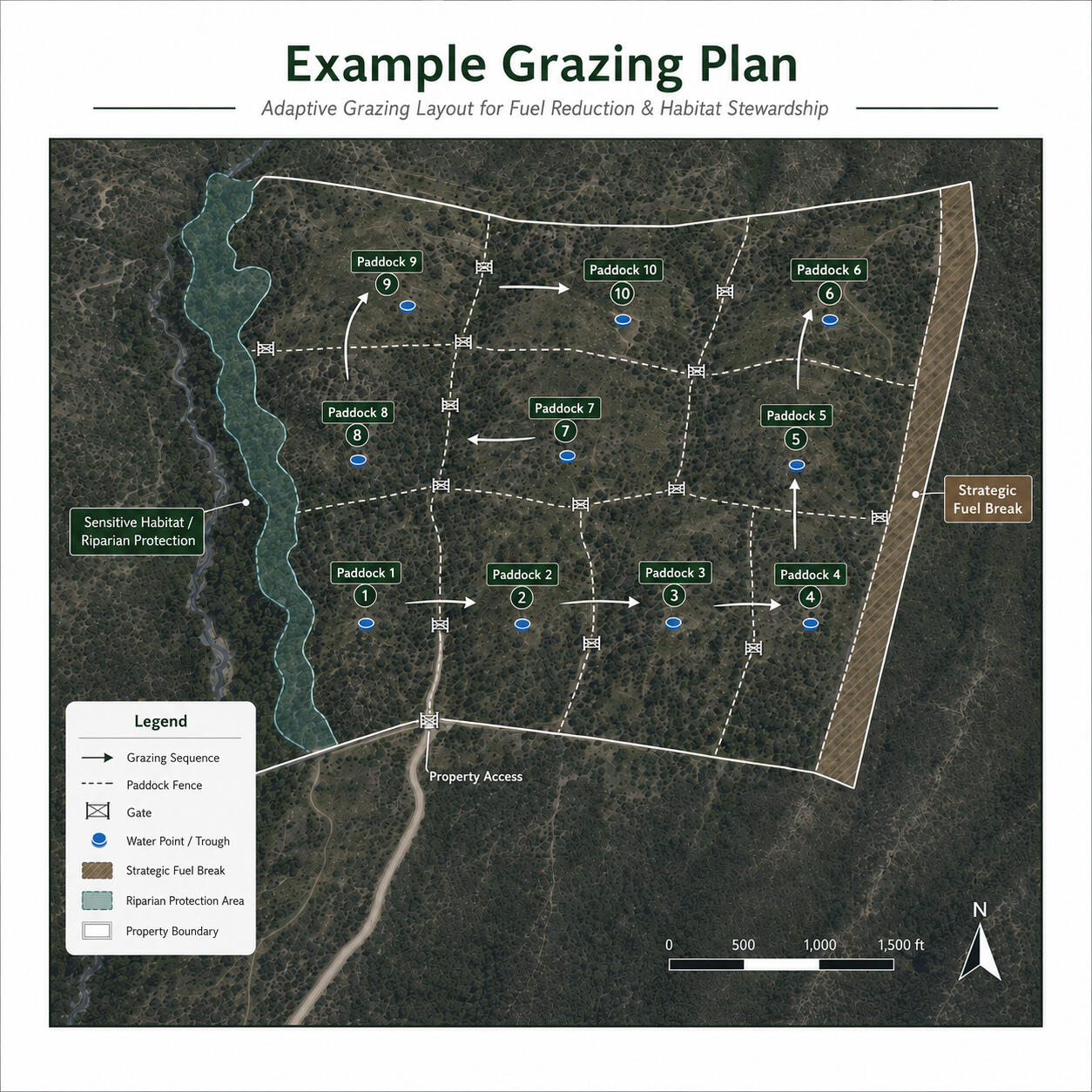
Practical. Adaptive. Site-Specific.Every property is different. Grazing has to fit the land, the season, the animals, the access, the water, the ecological constraints, and the goals of the landowner.Our process usually includes:1. Site ReviewWe evaluate vegetation, fuel conditions, terrain, access, water, fencing, sensitive areas, and management priorities.2. Grazing PlanWe develop a practical plan for timing, stocking, animal movement, grazing intensity, infrastructure needs, and target outcomes.3. ImplementationCattle are managed with temporary fencing, water systems, herding, and planned movement to apply grazing pressure where it is useful.4. Monitoring & AdjustmentWe adjust based on forage use, animal impact, weather, regrowth, sensitive sites, and landowner feedback.5. Long-Term StewardshipWhere appropriate, we can return seasonally or develop a recurring program that maintains fuel reduction and vegetation goals over time.
A Living Tool for Vegetation Management
Why Managed Grazing?
Mechanical work, herbicide, and hand crews all have a place. Managed grazing adds another tool — one that can be flexible, scalable, and well-suited to large landscapes.Properly managed livestock can:Reduce fine fuels
Create and maintain fuel breaks
Target invasive or problem vegetation
Access terrain where equipment may be limited
Support habitat goals
Reduce long-term vegetation management costs
Create value from forage that would otherwise become fuel
Support and improve the resiliency of ecosystem services through building soil health and improving water infiltration and retention
We Are Committed To Stewardship
About Us
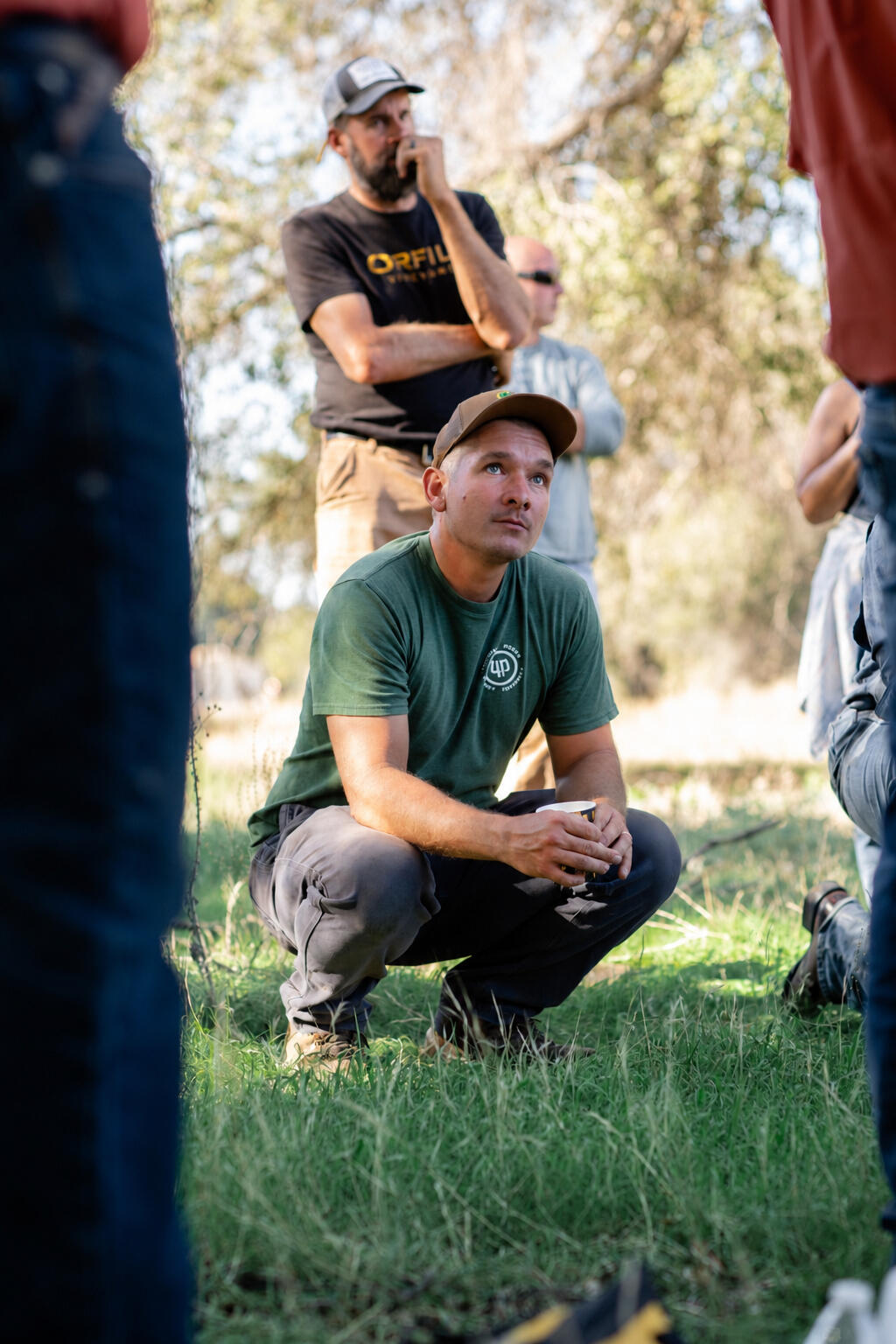
Wildland Range Solutions is led by Deon de Villiers, a grazier and land steward with hands-on experience managing cattle in adaptive grazing systems.The company was created to bring practical regenerative grazing management to the wildfire and habitat challenges facing Southern California. Our work combines ranching skill, ecological thinking, and real-world field execution.We believe livestock can be part of the solution when they are managed with clear goals, careful planning, and respect for the landscape.